
Plenty of New Jersey practices added video visits years ago and then stopped talking about them. The option sits on a back page of the website or deep inside the patient portal. Meanwhile, patients still call the front desk to ask if they can “just do this over video.” Good telehealth marketing in NJ closes that gap. It explains the visit, shows up in search and protects patient data along the way.
This guide assumes you already offer virtual care and want more of the right patients to use it.
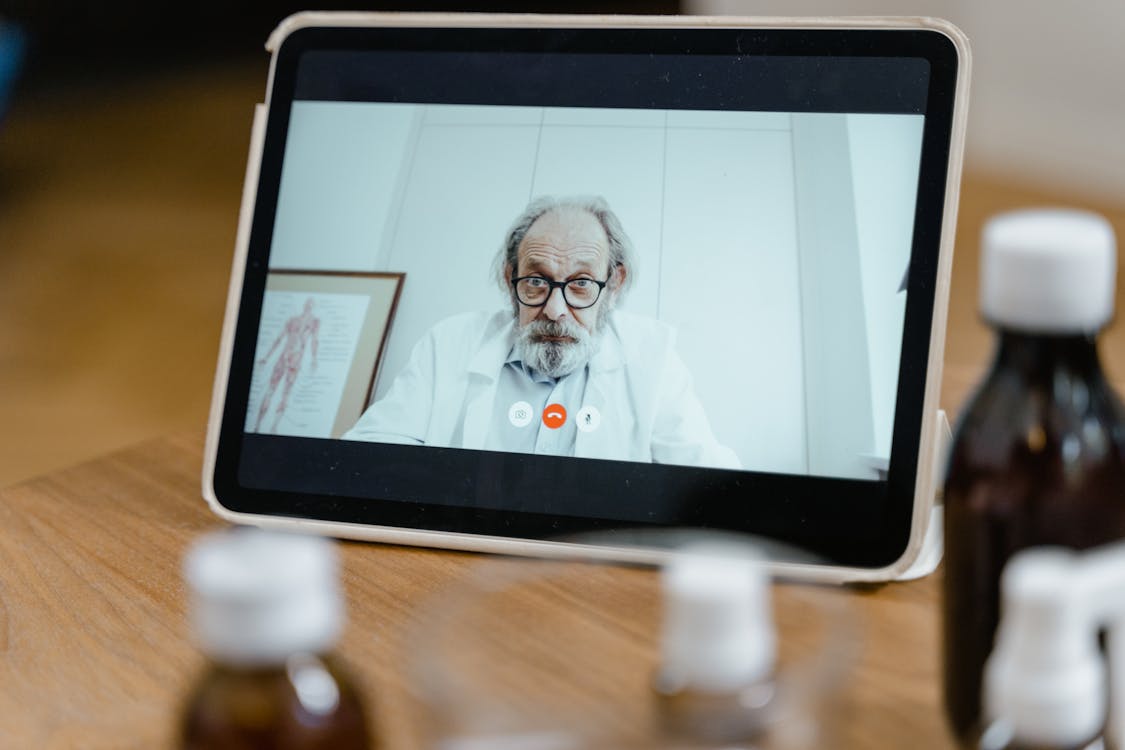
Telehealth Marketing Starts With Explaining the Visit
Most patients don’t avoid virtual care because they dislike it. Instead, they can’t picture it. They don’t know which problems qualify, what they need to join or what it will cost. So they default to the phone call and the waiting room, or they never book at all.
State law pushes you toward the same clarity. Before each virtual visit, the clinician has to decide whether it can meet the in-person standard of care. If it can’t, the clinician must tell the patient to come in. That’s why honest telehealth marketing in NJ says plainly what works by video and what doesn’t.
Answer the Questions Patients Won’t Ask
Your telehealth page should settle these before anyone has to pick up the phone:
- What can I book by video? Give real examples, such as medication follow-ups, lab result reviews, therapy sessions or a check on a healing rash. Then say what still needs the office, like a full physical. Also remind patients that emergencies such as new chest pain need 911, not a video visit.
- What do I need? A phone or laptop with a camera, a steady connection and a private spot. If your platform offers a test page, link to it so patients can check their setup ahead of time.
- What will it cost? For state-regulated plans, New Jersey’s telehealth coverage law bars insurers from charging a higher deductible, copay or coinsurance for a covered telehealth visit than for the same visit in person. However, self-funded employer plans and Medicare follow other rules, so ask patients to confirm their coverage.
- Where do I need to be? Licensing generally follows the patient’s location. Clinicians who treat patients in New Jersey must be licensed here, either directly or through an interstate licensure compact. So a patient at work in Manhattan or Philadelphia may need to join from home instead.
- Is it private? Name the platform you use and explain how you protect each session. Only claim what’s true, and skip vague lines like “totally secure.”
- What if the video drops? Tell patients you’ll call back at the number on file. That one sentence calms a lot of nerves.
Show the Visit Before They Book
Words help, but a short video helps more. Record a one-minute walkthrough on a phone: the reminder text, the link, the virtual waiting room and a clinician saying hello. Then post it on your telehealth page, your social channels and your booking confirmation email. For example, a family practice in Morristown might film a staff member playing the patient, so no real patient ever appears on camera.
Clinician bios matter too. Under state rules, providers must disclose their identity, license and title (plus any specialty and board certification) when a telehealth relationship begins. Your practice also has to tell patients when a video visit may be with someone other than a physician, and book a physician if they ask. So list credentials on every bio and say who handles virtual visits.

Ranking for Telehealth Searches in NJ
People look for virtual care differently than they look for an office. Someone searching for urgent care nearby wants the closest door. By contrast, someone searching “online therapy New Jersey” or “virtual psychiatrist” usually cares more about fit, insurance and availability than distance. That opens up the whole state, because one license covers every county. Picture a therapist in Montclair who could see a client in Cape May County as easily as one down the street.
Build One Page per Virtual Service
A single line that says “we offer telehealth” won’t rank for much. Instead, give each virtual service its own page, such as medication management, therapy, dermatology follow-ups or weight management. Each page should answer the patient questions above, name the conditions you treat by video, list the plans you accept and explain how to book. Also mention the counties and regions you serve, but write for people, not keyword counts.
Next, connect those pages. Link them from your homepage, your service menu and related blog posts. Then open the Performance report in Google Search Console and filter for queries containing “virtual,” “online” or “telehealth.” Refine each page to match what people actually type. If you’d rather hand off this part of telehealth marketing in NJ, our SEO services cover the page planning and tracking.
Use Google Business Profile the Right Way
If you see patients in an office, your Business Profile should make telehealth obvious. Mention virtual visits in the description, add them as a service where your category allows and include your online booking link. Also check the attributes section for any virtual care options Google offers.
A virtual-only practice faces a different rule. Google’s guidelines for Business Profiles require in-person contact with customers during stated hours, so online-only businesses don’t qualify. Don’t rent a virtual office address to get around it, because that invites a suspension. Instead, let your website pages carry the load.
Protect Patient Data in Your Telehealth Marketing
Virtual care moves more of the patient journey online, which creates more places for data to leak. This isn’t legal advice, so run final decisions past your privacy officer or a healthcare attorney. Still, a few basics apply to almost every practice.
- The visit platform. Use a video vendor that will sign a business associate agreement (BAA). The pandemic-era leniency for consumer video apps ended in 2023.
- The booking path. Keep symptom questions inside your EHR or portal, not in a general web form. Also keep ad pixels off scheduling and portal pages. Our HIPAA-aware guide to pixels, forms and reviews covers the details.
- Ad audiences. Never upload patient lists to ad platforms or build audiences from people who booked visits. Google and Meta restrict health-based targeting anyway.
- Messages to current patients. Telling your own patients about your own telehealth option is generally fine. In fact, HIPAA’s definition of marketing excludes messages describing a provider’s own health services, as long as no third party pays you to send them. Even so, promotional texts generally need prior express written consent under the TCPA, and promotional emails must follow CAN-SPAM.
Every piece of telehealth marketing in NJ should pass one simple test. Would a patient be comfortable seeing exactly where their data went?

Keep Virtual Patients Coming Back
Telehealth patients have fewer reasons to stay loyal. There’s no friendly front desk and no familiar waiting room. On top of that, a competitor is one app download away. So your follow-up has to do the work the office usually does.
- Book the next visit before the call ends. A clinician who schedules the six-week check-in on the spot doesn’t have to hope the patient remembers later.
- Send reminders with the link. Include a quick tech check and a phone number for help.
- Follow up after the visit. A short check-in message and a two-question survey catch problems while you can still fix them.
Dental offices have refined this for years, and the recall and reactivation systems dentists rely on translate well to virtual care. You can also ask virtual patients for Google reviews in your routine follow-up. Ask everyone, not only the happy ones, and never offer anything in exchange.
Common Telehealth Marketing Questions
Can we advertise telehealth to patients in New York or Pennsylvania?
Only for clinicians who can legally practice there, since licensing generally follows where the patient is sitting. Otherwise, limit ad locations to New Jersey and state on your pages that patients must join from within the state.
How long before a new telehealth page ranks?
Usually months, not weeks, depending on your site’s history and the competition. Meanwhile, share it with current patients by email and portal message, so it earns visits right away.
Should telehealth get its own website?
Usually not. Keeping it on your main site lets it build on the links and reputation you already have.
Where to Start
You don’t need a big budget for telehealth marketing in NJ. First, pick your most popular virtual service and build its page. Next, add the walkthrough video, update your Business Profile and check your booking path for privacy gaps. Then repeat for the next service.
Samaroo Solutions is based in northern New Jersey and works with practices across the state, from Bergen County to Cape May. If you’d like a second set of eyes on your telehealth pages, tell us about your practice and we’ll suggest where to begin.