
Every lawn company owner knows the feeling. A new customer signs up, and they live twenty minutes from your nearest stop. That lawn pays the same as the one next door to your best client, but it costs far more in fuel, windshield time and crew hours. That’s why smart lawn care marketing in NJ isn’t about piling up leads from anywhere. Instead, it’s about winning the right houses, on the right streets, on a program that renews every spring.
This guide is for mowing and turf care companies. If you mostly sell patios and full landscape designs, our guide to marketing a high-end design-build landscaping firm is a better fit.
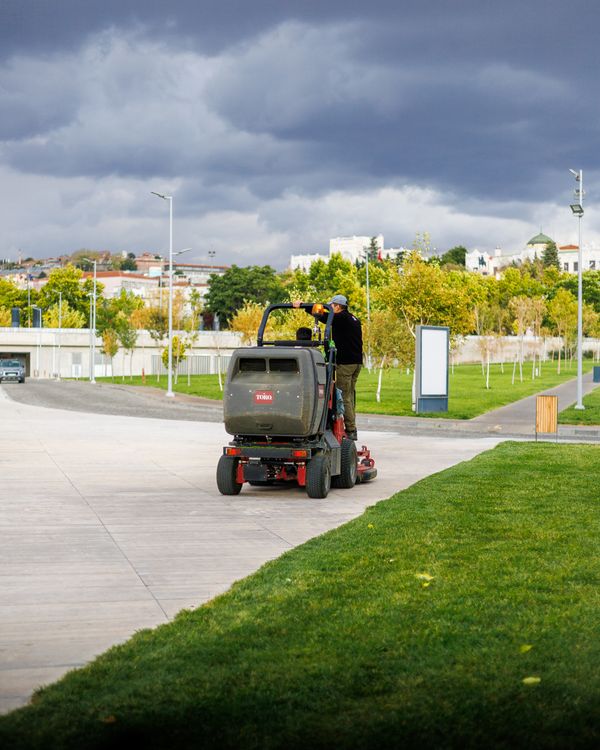
Why Route Density Comes First in Lawn Care Marketing
Drive time is the quiet cost in a lawn business. Your crew gets paid while the truck sits at a light on Route 46, but no customer pays for that time. Picture two crews that each mow twenty lawns a day. One works three streets in a single Morristown neighborhood. The other zigzags across half of Morris County. The first crew finishes early or adds stops, while the second loses its afternoon to traffic.
So your lawn care marketing in NJ starts with a map, not an ad budget. First, pin every current customer on a map (Google My Maps or the map view in your scheduling software both work). Then look for clusters. Those clusters are your zones, and from now on every campaign has one job: add stops inside them.
It also helps to decide what you won’t do. For example, you might accept new lawns only near an existing cluster, or add a travel fee outside it. The exception is a lawn that could seed a new cluster in an area you plan to market next. Otherwise, saying no protects the margin on every stop you already have.
Sell a Season, Not a Single Mow
One-off mows leave holes in the calendar. A season-long program fills it with the same addresses every week, and that repeat schedule is what makes a dense route possible. So package your services so the recurring option is the obvious choice.
Build two or three clear programs
- Weekly maintenance: mowing, trimming, edging and blowing from spring green-up through fall, billed monthly.
- Turf care: a fertilization and weed control program with a set number of visits, each timed to the season.
- Complete care: both of the above, plus spring and fall cleanups, at one predictable monthly price.
Keep the names plain and the inclusions specific. A homeowner in Wayne should know exactly what they’re buying without calling you. Then put the terms in writing: start date, visit frequency, rain days, billing and how to cancel. Clear terms build trust, prevent arguments in August and make auto-pay an easy yes.
Lawn Care Marketing That Works Street by Street
The most efficient lawn care marketing in NJ targets the neighbors of people you already serve, because your truck is on that street every week anyway.
Door hangers around every new stop
When a customer signs up, hang door hangers on the surrounding homes that same week. Keep the message simple: your crew already services the street on a set day, and neighbors can join the route. However, never name the customer; “we’re on your street every Tuesday” is enough. Also, hang them on doors and never in mailboxes, which are reserved for postage-paid mail. Some towns regulate door-to-door handouts, so check local rules.
Hangers, yard signs and truck lettering cost little, and they stay in front of the exact homes you want. Our print services for small businesses cover design and printing for hangers, postcards and signs that match your brand. Selling installs such as plantings or patios too? Check whether you must register as a home improvement contractor, because registered contractors have to print their registration number on every ad, hangers and postcards included.
Postcards by carrier route
For a wider push, the USPS Every Door Direct Mail program lets you pick mail carrier routes on a map and deliver a postcard to every address on them. Pieces are addressed to “Postal Customer,” so you don’t need a mailing list. Choose the routes that overlap your zones rather than the whole town. A postcard announcing weekly mowing openings in one neighborhood reads as local, because it is.
Tight-radius online ads
Online ads can do the same job. Google and Facebook both let you target by ZIP code or a radius around an address, so keep the circle tight around your clusters. On Google, also add negative keywords for searches you don’t want to pay for, such as “lawn mower repair” or “lawn care jobs.” Then send clicks to a page about the program itself, not your homepage.

Make Signing Up Easier Than Calling
Many homeowners would rather sign up at 9 p.m. from the couch than play phone tag. Give them a short online form: address, program choice and preferred start date. For most open lots, Google Earth’s measuring tool lets you size the lawn from satellite imagery, so you can quote the same day without a visit.
Before you confirm, check each address against your zones. Inside a zone, approve it fast. Outside one, offer a waitlist or a price that covers the drive. Set up your Google Business Profile the same way. Google lets service-area businesses list up to 20 service areas, so name the towns where you want density, not the whole state.
If calls come in but too few turn into customers, the gap is often follow-up rather than lead flow. Our article on landscaping lead sources and estimate follow-up covers that side of the business.
Time Your Lawn Care Marketing to the Season
Programs sell before the grass grows. In NJ, that puts your biggest lawn care marketing push in January and February, when many homeowners line up spring service and before your crews get slammed. Use those weeks for new-customer offers in your zones and a final reminder to anyone who hasn’t renewed.
Late summer is the second window. It’s the best time to aerate and overseed cool-season lawns, so offer those add-ons in August to customers already on your route. Then, once the season winds down, review which streets grew and plan where the next round of hangers goes.
If you sell fertilization or weed control, your calendar has to follow state rules. Under New Jersey’s fertilizer law, professional applicators must be certified, or trained and supervised by someone who is. Commercial applicators must also finish late-fall nitrogen or phosphorus applications by December 1 and can’t resume until March 1. Weed control products are pesticides, so applying them for hire takes a pesticide applicator business license from NJDEP, plus licensed staff. Build these rules into your program description so you never sell a visit you can’t legally make.
Renewals Are Your Cheapest Lawn Care Marketing
Every customer who renews is a stop you don’t have to win again. So start renewal outreach before the season ends: a thank-you, a reminder of what’s included next year and an easy way to lock in. Email and texts both work, but follow the rules. Marketing email needs a working unsubscribe link and your physical address under CAN-SPAM. Marketing texts generally need prior express written consent under the TCPA.
Past customers deserve attention too. A friendly note to people who lapsed can bring back stops on streets you already drive. Our database reactivation service is built for that kind of outreach. And when a customer sells their house, ask them to mention you to the buyer, then leave a welcome hanger for the new owners. That lawn already sits on your route.
When you ask happy customers for Google reviews, don’t offer anything in return. Google’s review policies ban incentives, and the FTC’s rule on reviews bans rewards tied to a positive rating.
Track the Numbers That Show Route Health
You can’t improve density you don’t measure. Fortunately, the numbers that matter are simple:
- Stops per crew day and average drive time between them.
- Revenue per labor hour, broken out by zone.
- New sign-ups by source: hanger, postcard, ad, referral or Google.
- Renewals and cancellations, with the reason for each cancellation.
Review them monthly during the season. If a zone never fills in, stop marketing there and move that budget to the streets where your stops are already thick.
Build Your Routes One Street at a Time
Recurring programs, tight zones, neighbor-first outreach and easy renewals all push toward one goal: more stops per mile. In short, lawn care marketing in NJ pays off when every new customer makes your existing route stronger. Start with your customer map, pick your two best clusters and focus there this season.
Samaroo Solutions is based in northern New Jersey and works with businesses across the state. If you’d like help with door hangers, postcards, local ads or a simple sign-up page, talk with our team about your routes.