
Picture a gift shop on a busy main street in Morris County. The owner posts new stock on Instagram, but few followers see it. Meanwhile, the weekly email sits unopened in a promotions tab. Then one short text goes out on a Thursday afternoon: the holiday candles are in, and club members can shop them early. That’s SMS marketing for NJ retail done right: a quick, useful note to people who asked for it.
Owners tend to stumble in one of two ways. Some collect numbers with no plan, while others blast sales until the list starts replying STOP. This guide covers four kinds of texts worth sending: VIP club perks, new arrival alerts, event invites and loyalty rewards. New to texting? Start with our starter guide to building a business text channel.

Retail SMS Marketing Starts With a VIP Text Club
Nobody joins a text list for its own sake, so NJ retail shops that do well with SMS marketing give people a reason: a named club with real perks, such as:
- Early access to sales and new stock, even just one day ahead
- Members-only hours before a big event or holiday weekend
- A birthday gift they can pick up in person
- First dibs on restocks, limited runs and collaborations with local makers
Notice what’s missing: a big weekly discount. A club built only on coupons trains people to wait for the next one. In contrast, access and recognition cost less and feel more personal.
Next, make joining easy. Put a sign at the register with a keyword to text, such as “Text VIP” to your store number. Add a QR code to receipts and bags, and have staff mention the club at checkout. Online, a website signup form and a link in your Instagram bio do the rest.
Every signup needs clear consent. Under the FCC’s TCPA rules, automated marketing texts generally need the shopper’s prior express written consent, and a reply of STOP revokes it. So your signup wording should say what they’ll get, how often, that message and data rates may apply, and how to opt out. It should also make clear that joining isn’t required to buy anything. Then send an automatic welcome text that repeats those terms. Our guide to text marketing consent rules covers the details.
New Arrival Alerts That Feel Like Insider Access
New stock is the most natural reason for a store to text. Still, an alert only works when it matches what the shopper cares about. After all, a parent buying kids’ shoes doesn’t need news about handbags.
So ask one quick question when people join: “What do you shop for? Reply 1 for women’s, 2 for men’s or 3 for home.” Then tag each answer in your texting platform. Even two or three segments make alerts feel hand-picked.
Keep each alert short: name the item, say when it’s in and give one clear action. Here’s a made-up example:
[Store] VIP: The wool coats you asked about are in, sizes XS to XL. Members can shop them Thursday, a day early. Reply HOLD with your size and we’ll set one aside. Reply STOP to opt out.
That HOLD reply turns a broadcast into a conversation and shows you who’s ready to buy. Restock texts work the same way: a note about a sold-out favorite feels like service, not advertising. Photos help with fashion, home goods and gifts, so check when an image is worth sending as MMS. Above all, only write “just three left” when it’s true.
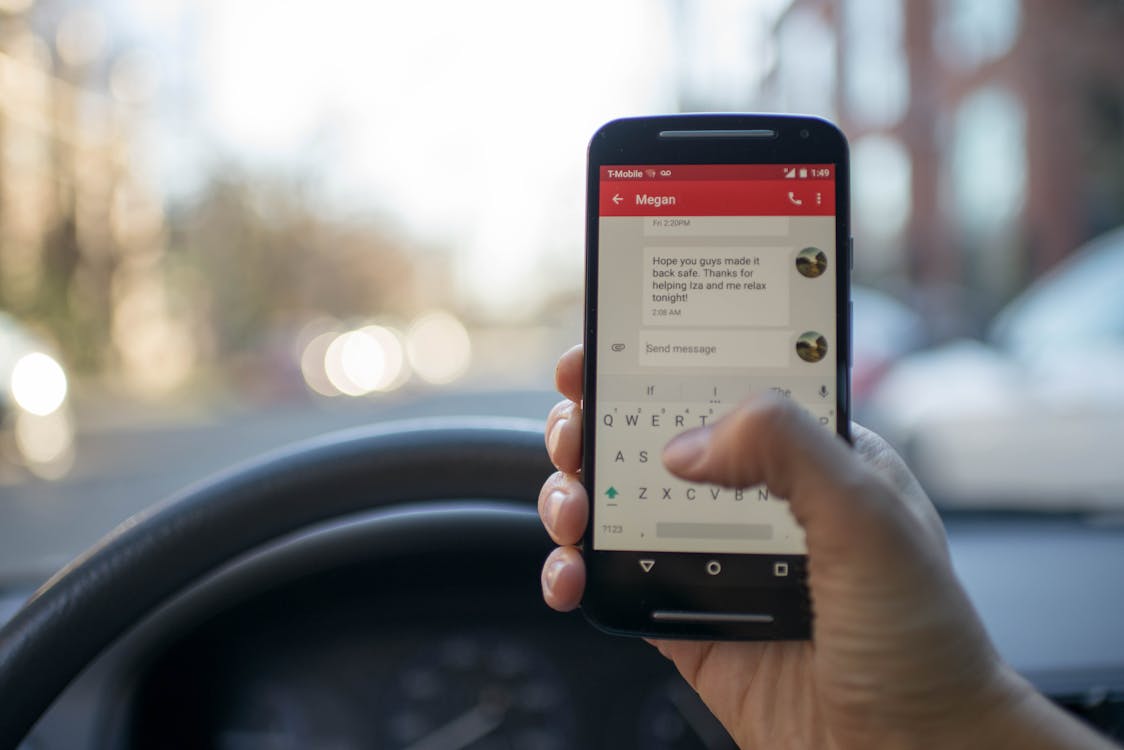
Use Texts to Fill the Room for In-Store Events
Events are where a text list turns into foot traffic you can actually see. Think trunk shows, a local maker pop-up, a sidewalk sale in downtown Red Bank or late holiday hours in Montclair. A simple three-text sequence covers most events:
- Save the date a week or two ahead, with the day, the time and what makes it worth the trip.
- Remind members on the morning of the event with a line like “Doors open at 10.”
- Say thank you the next day, with a small perk for guests or a note for those who missed it.
Ask for RSVPs by reply, too. A quick “Reply YES to save a spot” helps you staff the floor and shows which events members like.
First, respect the clock. The same federal rules bar marketing calls and texts before 8 a.m. or after 9 p.m., based on the shopper’s local time. So schedule that morning reminder for 9 or 10, not at dawn. Second, plan for weather. If a nor’easter hits Ocean County on the day of your shore-town sale, text the rain date early.
Loyalty Rewards and Win-Backs for Your Regulars
Loyalty texts are often the easiest to get right, because they’re about the customer. If your point-of-sale system tracks points or visits, see whether it can sync with your texting platform so balances stay accurate. In fact, a reward text with the wrong number does more harm than none at all. Useful loyalty texts include:
- Reward alerts when someone earns a perk, with what it is and how to redeem it
- Birthday perks, sent early enough in the month to use
- Expiration reminders, but only when points or rewards truly expire
Then there are the regulars who drifted away. If they’re still subscribed, a warm note beats a hard sell: “We haven’t seen you since spring, so here’s early access to our fall sale.” Many past buyers never joined your list, though, and a number on a receipt isn’t consent to market to them. So invite them to join another way first: in person, or by email with the opt-out link CAN-SPAM requires. A database reactivation campaign can handle this at scale, using only the channels you’re allowed to use for each contact.
How Many SMS Marketing Messages Should a Retail Store Send?
Frequency is where SMS marketing most often goes wrong, for NJ retail shops and everyone else. There’s no magic number, but there is a principle: send what you promised at signup, and make every text earn its spot. For most shops, a few texts a month is a sensible start. Then add a couple more around back-to-school and the holidays.
Watch your opt-outs after each send. If one kind of message triggers a wave of STOP replies, your list is telling you something. On the other hand, messages that draw replies and visits deserve a regular slot.
Also, skip anything that feels like spam: all caps, strings of emojis, several links or vague hype. Instead, name your store, give one reason and ask for one action. For links, use your own web address, because wireless industry guidelines discourage shared public link shorteners. Let email carry longer stories like lookbooks and gift guides, backed by an email strategy built on a list you own. Texts work best for the moment itself.

How to Measure SMS Marketing in a Retail Store
Online clicks are easy to count, but in-store sales take planning, because the shopper who read your text on Tuesday may walk in on Saturday. A few simple habits close that gap:
- Text-only codes or phrases that shoppers show or say at the register
- RSVP counts compared with actual event turnout
- Sales on member days compared with a similar day without a text
- Replies and opt-outs for every send, tracked by message type
Review those numbers once a month. Over time, they show what SMS marketing really does for your NJ retail business and which message types earn their place.
Common Questions About Retail SMS Marketing
Can I text the customers already in my point-of-sale system?
Not with marketing messages, unless they gave written consent to receive them. A number collected for a receipt or a delivery doesn’t cover promotions. Invite those customers to join your club instead.
Do I need a special phone number to text customers?
You need a business texting platform, not your personal cell. Carriers also require businesses to register before texting from a standard local number, under a system called A2P 10DLC. Most platforms walk you through brand and campaign registration, but allow time for approval.
Start Small, Then Build Your Text Club
You don’t need all four message types on day one. Launch the club with one clear perk, send a strong new arrival alert and learn from the replies. Then add events and loyalty texts as the list grows. On a tight budget, look at the NJEDA Small Business E-Commerce Support Program. It offers free e-commerce and digital marketing consulting to eligible New Jersey retailers with a commercial location, so check the eligibility rules.
Samaroo Solutions is based in northern New Jersey and works with retailers across the state, from Bergen County to Cape May. Want help planning your club, writing texts or setting up compliant signups? Tell us about your store, and we’ll sketch out a first campaign together.