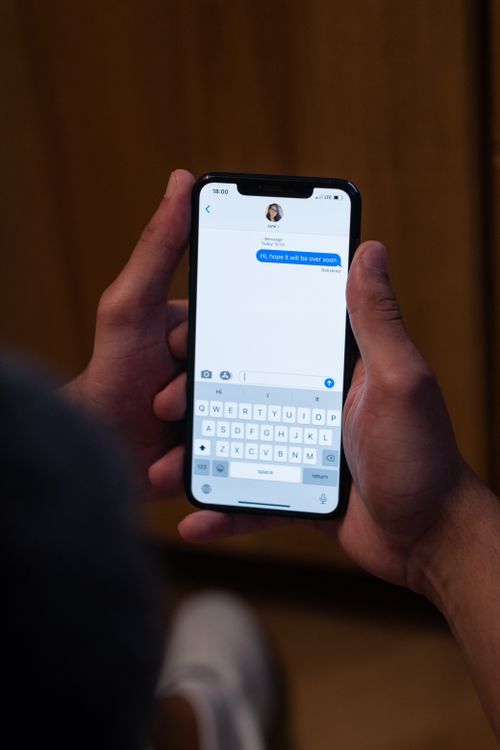
Most business owners treat texting as a single channel. It isn’t. A plain text, a picture message and a live back-and-forth with a customer each do a different job, and each costs a different amount. So when you send everything the same way, you either overpay or undersell. This guide to SMS and MMS marketing shows you when to keep it to words, when to add an image or video, and what each choice really costs.
We’ll also cover two-way texting, because in our experience the replies are where most of the value hides.

SMS vs MMS: What Changes Between the Two
SMS is text only. A single message holds up to 160 standard characters. Go past that, and the network splits your text into segments of 153 characters, then stitches them back together on the phone. Your customer sees one message. However, your provider bills you for every segment.
Here’s the catch most people miss. One emoji, or even a curly quote pasted from Word, switches the whole message to a different encoding. Then the limit drops from 160 characters to 70, and each segment shrinks to 67. Twilio walks through the mechanics in its guide to SMS character limits and segments. As a result, a 150-character text with one smiley face turns into three billable segments instead of one. Some platforms can swap curly quotes for straight ones automatically, but no setting rescues an emoji.
MMS is the multimedia version. It carries an image, a short video, audio or a GIF, plus a longer block of text. Providers usually charge it per message rather than per segment. Still, one MMS costs more than a single-segment SMS, and carriers may compress large files along the way. Both formats have a place in your texting, but they shouldn’t do the same work.
When a Plain SMS Is the Right Call
Make SMS your default. For most business messages, the words do all the work, and a short text arrives fast and reads cleanly on any phone. A text-only message also feels personal, as if a person sent it rather than a brand.
- Appointment confirmations and reminders
- “Your order is ready” and “tech on the way” updates
- Quick questions that invite a reply, such as “Still want that quote?”
- Time-sensitive notes, like a snow-day closure or a same-day opening
Write each one to fit in a single segment. Aim for 150 characters or fewer, skip the emoji, and check your platform’s character counter before you send. If you run a service business, our guide to reminder and rebooking texts maps out the full sequence. For wording you can adapt, browse these sample texts organized by use case.
When MMS Marketing Earns the Extra Cost
Use MMS when the picture is the message. If a customer would grasp the offer faster by seeing it, the higher price usually pays for itself. For example:
- A restaurant in Montclair showing tonight’s special instead of describing it
- A boutique in Red Bank sharing a photo of the new arrivals
- A gym sending next month’s class schedule as one clean graphic
- A coupon with a barcode your staff can scan at the register
- A parking map for an office in downtown Morristown, where finding the entrance is half the battle
On the other hand, don’t send MMS just because you can. A stock photo of a smiling family adds cost and nothing else. Keep files small, too, since a photo straight off your phone can arrive soft after carrier compression. Finally, put the key details in the text itself, so the message still works if the image loads slowly.
One caution for dental, medical and therapy offices: never text a patient’s photo, such as a before-and-after, without written HIPAA authorization. Graphics and stock images are the safer choice for health practices.
How Two-Way Texting Works
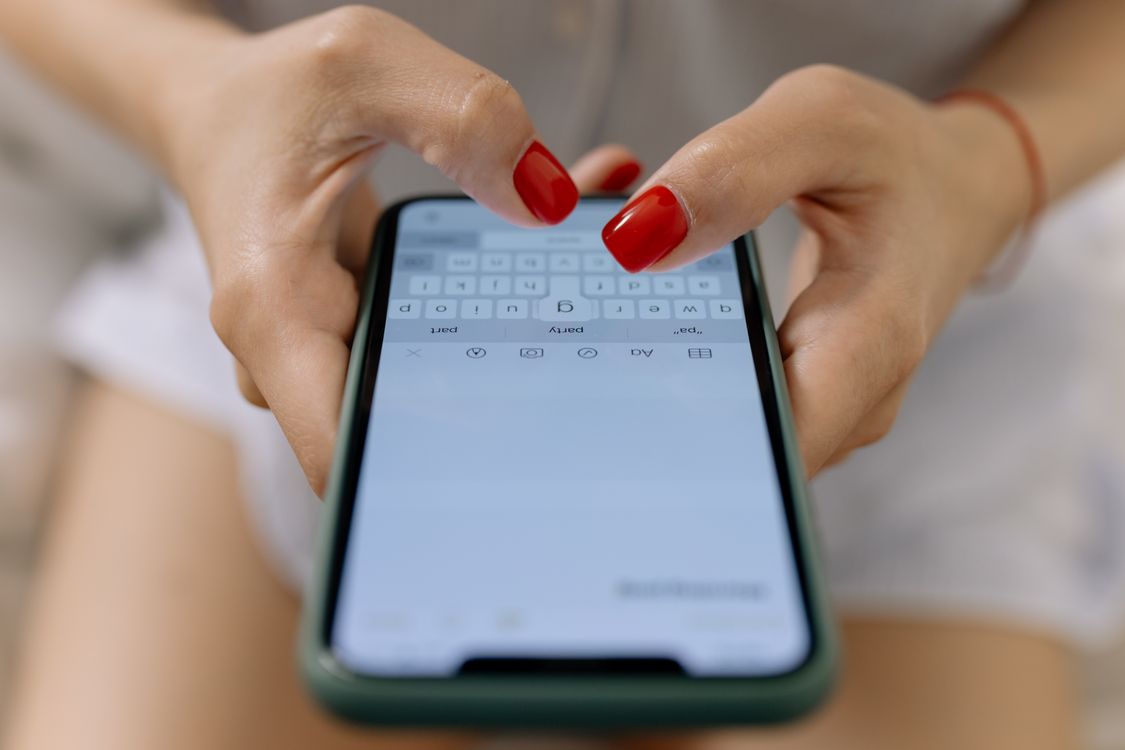
Two-way texting simply means customers can reply, and a real person or a sensible automation answers. It sounds obvious. Still, plenty of businesses send from a number that can’t receive replies, or from one nobody checks. Either way, they waste the most valuable part of the channel.
The number you text from
Most local businesses text from a standard 10-digit local number. Before you send business texts from one, even simple reminders, U.S. carriers require you to register your brand and each use case. This is called A2P 10DLC registration, and unregistered numbers face heavier filtering and extra carrier fees.
Toll-free numbers need their own verification. Short codes (five or six digits) handle big volume, but Twilio leases them from $1,000 a month, so few local businesses need one. All three can handle replies, so choose based on volume and how local you want to look.
Where the replies go
Replies come back to that same number. A good setup routes them into a shared inbox in your CRM, attached to the customer’s record, so whoever is on shift sees the full history. Then set a response target, such as within an hour during business hours. After hours, an auto-reply should say when a person will answer. If your current tools can’t do this, a customized CRM setup usually can.
Replies bring in media, too. Picture a homeowner in Wayne texting a photo of a leaking water heater. Your tech can size up the job before driving out. That’s inbound MMS, and it’s often the smartest use of the format.
Two-way texting is also what makes a database reactivation campaign work. A short, personal question to past customers who agreed to hear from you, like “Still thinking about that kitchen remodel?”, opens conversations that a promo blast rarely does.
Keywords and opt-outs
Keywords handle sign-ups. A counter sign that says “Text DEALS to” your number, plus a line on how often you’ll text and how to stop, lets customers opt in. Your platform then confirms with a reply that names your business and repeats those terms.
Your platform should also process opt-out words automatically. Under the FCC’s TCPA rules, replies like STOP, QUIT, CANCEL or UNSUBSCRIBE count as a valid way to revoke consent. You must honor them within ten business days, although in practice you should honor them at once. Before launch, test it by texting STOP to your business number from your own phone.
What SMS and MMS Marketing Really Costs
Your bill has more layers than the per-message price suggests. Expect some mix of these:
- A platform subscription, often with bundled message credits
- A monthly fee for each phone number
- Carrier registration fees, some one-time and some recurring
- Per-message fees on both outbound and inbound texts
- Carrier pass-through fees on most messages
For a benchmark, look at Twilio’s published U.S. messaging rates. When we checked in September 2026, a local number cost $1.15 a month, plus $0.0083 per SMS segment and $0.022 per outbound MMS. Carrier fees then added about 0.35 to 0.45 cents per SMS segment on the big three carriers, and 0.7 cents to a penny per MMS. Your platform may bundle or mark up these costs, so check its rate card.
Here’s what one send to 1,000 subscribers works out to at those rates:
| What you send | How it bills | Rough cost per 1,000 |
|---|---|---|
| 150-character text, no emoji | 1 SMS segment | $12 to $13 |
| The same text with one emoji | 3 SMS segments | $35 to $40 |
| Photo plus a short caption | 1 MMS | $29 to $32 |
Look at the middle row. One smiley face can make a plain text cost more than a picture message. So strip emojis from routine sends, and spend the difference on MMS where the image actually sells something. Also budget for inbound replies, since many providers charge for those as well.

Questions About SMS and MMS Marketing
Can every phone receive MMS?
Nearly every modern smartphone can. When the carrier can’t deliver it, some platforms convert it to a plain text with a link to the image. Even so, test each new MMS on an iPhone and an Android before it goes to your list.
Do consent rules differ between SMS and MMS?
No. The same TCPA consent rules cover SMS and MMS marketing, so plan on getting prior express written consent for promotional messages either way. The format changes your cost, not your obligations. Our text marketing compliance guide covers consent capture and record keeping in detail.
Choose the Format Message by Message
Good SMS and MMS marketing comes down to three habits. First, send plain SMS for anything operational. Next, add MMS only when a picture does real selling. Then make sure someone answers every reply. After your first month, review the bill and hunt for surprise segments.
Samaroo Solutions is based in northern New Jersey and sets up texting programs for businesses across the state, from Bergen County to Cape May. If you’d like a second set of eyes on your message mix or your costs, get in touch with our team.