
Ask business owners whether PR works, and you’ll hear a lot of shrugs. Plenty of them tried it once: a press release about an anniversary, sent to every inbox they could find, followed by silence. The business usually isn’t the problem, though. The approach is. A real public relations strategy treats coverage as a repeatable process instead of a lottery ticket. You find a story a reporter needs, send it to the one person who covers that beat, and track what it brings in.
This guide focuses on earning coverage beyond your hometown: regional business news, trade publications, TV and podcasts. To become the known name in your own town, see our guide to local PR for small businesses.

Public Relations Versus Advertising: What Earned Coverage Does for You
When you buy an ad, you control the message, and your audience knows it. Earned coverage works differently, because an editor decided your story deserved their readers’ time. That outside judgment is what makes it persuasive.
Coverage also keeps working after the news cycle moves on. You can link to it from your website, forward it to a prospect comparing you with competitors, and share it on LinkedIn. It often shows up when someone searches your company name, too.
One caution: paying for a “featured business” profile is advertising, not PR. The FTC expects sponsored content to be clearly identifiable as advertising, as its guide to native advertising for businesses explains. So treat those placements as ads, in your budget and in how you describe them.
Start Your Public Relations Strategy With the Story
Reporters don’t cover businesses. They cover stories that happen to involve businesses. So before you think about outlets, list every angle you could credibly offer. Then keep only the ones a stranger would care about.
Five angles that tend to land
- Your own data. Picture an HVAC company in Morris County that logs every emergency call. When no-cool calls spike during a heat wave, that pattern gives a reporter something fresh.
- Expert reaction. When a new state law, tax deadline or storm hits your industry, reporters need someone who can explain it plainly within hours.
- Useful advice with a hook. A CPA’s list of the mistakes she sees every April works because it serves readers, not the firm.
- People stories. An unusual path to ownership or a family business passing to the third generation gives editors a human face.
- Milestones with stakes. A new location or new local jobs matter to readers. An anniversary on its own rarely does.
Test every angle before you pitch
Run each idea through three questions. Why would this outlet’s readers care? Why now, rather than six months ago? What proof can you offer, such as numbers, photos or a customer willing to talk? If you can’t answer all three in a sentence each, the angle isn’t ready yet.
Get Media-Ready Before You Send Anything
A reporter who likes your pitch will probably look you up before replying. So set up a simple press page with a short company description, current headshots, a logo file and a named contact who answers the phone.
Next, pick one spokesperson who knows the subject cold and can explain it without jargon. Finally, get clear on what you stand for, because a muddled message makes for a muddled quote. If you’re still pinning down positioning and voice, start with our guide to building a brand identity for a new company.
Build a Media List That Fits on One Page
Skip the purchased database of thousands of contacts. A focused list of 25 to 40 people whose work you’ve actually read will do far more. For most companies in New Jersey, it falls into four groups:
- Regional business press, such as NJBIZ, ROI-NJ and New Jersey Business Magazine, for growth and leadership stories.
- Regional news and TV, including NJ.com, The Record, the Asbury Park Press and News 12 New Jersey, for consumer angles.
- Trade publications in your industry, which often matter more to B2B buyers than general outlets.
- Podcasts and newsletters, from state business shows to niche industry programs.
Don’t treat podcasts as a side channel. Just over half of U.S. adults (54%) say they’ve listened to one in the past 12 months, according to Pew Research Center’s podcast fact sheet. Hosts also need a steady supply of guests who can talk without selling.
For each outlet, search its site for your topic, note the bylines that keep coming up and read their recent stories. Then track them in a spreadsheet: name, beat, a recent story you liked, date of your last pitch and the result.
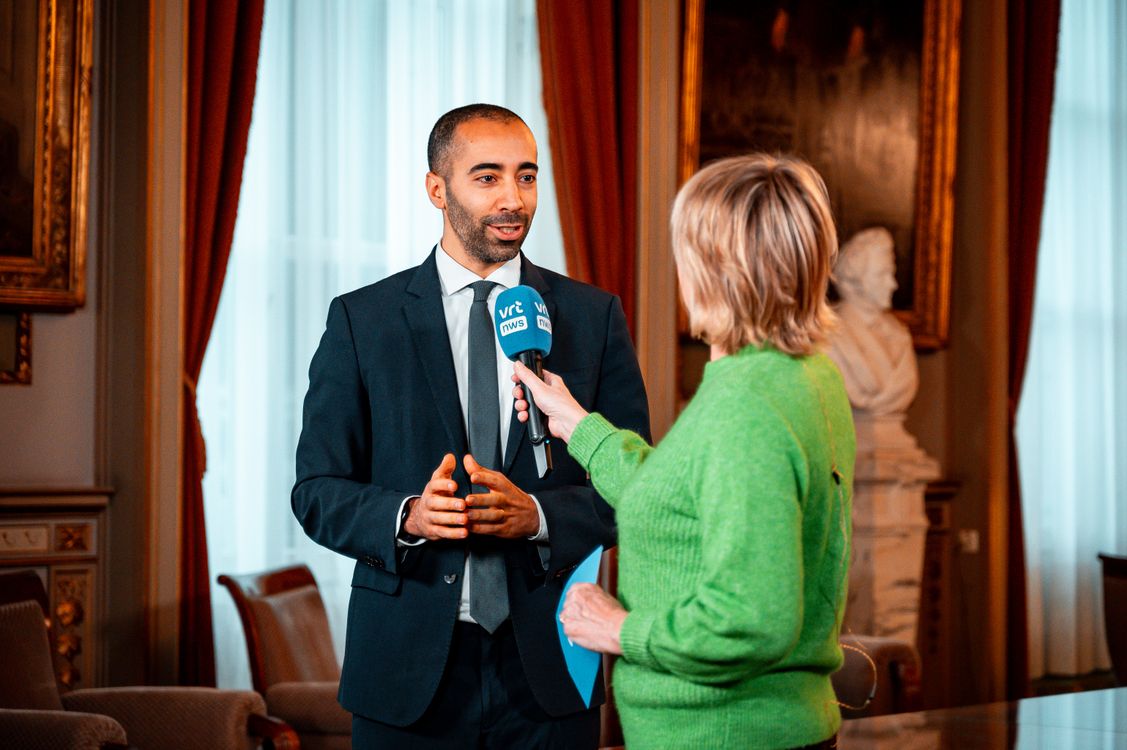
How to Pitch Reporters So They Read to the End
A good pitch is short, specific and written for one person. Reporters skim a crowded inbox, so your first two lines decide everything. Here’s a structure that works:
- Subject line: name the story, not the company. “July heat drove a spike in emergency AC calls: local data and an expert” beats “Press opportunity.”
- Opening: one sentence on why this matters to their readers right now.
- Proof: what you can offer, such as numbers, photos, a customer who will go on record or a site visit.
- Access: who is available, when, and a direct phone number.
- Length: under 200 words, with no attachments. Paste key facts into the body instead.
Then follow up once, about three business days later, ideally with something new. After that, let it go. A pass today can turn into a yes when you bring that reporter a better fit later. Also, if you offer an exclusive, honor it until the outlet declines.
Formal releases still suit hard news, like a merger or a new facility. When you need one, our guide to writing press releases that get picked up walks through the format.
Become the Source Reporters Call Back
One story is good. Becoming a reporter’s go-to source is better, because they’ll call you when news breaks in your field. So reply fast, even if the answer is “I’m not the right person, but here’s who is.” And never guess at a number on the record.
Before any interview, write down the two or three points you want to make and the proof behind each. Also keep your LinkedIn profile current, since reporters and producers often check it before they call. Our guide to personal branding for executives and entrepreneurs shows how to build that profile.
Some professions need extra care. Attorneys must follow New Jersey’s Rules of Professional Conduct, including limits on publicity about pending cases. Dental and medical practices need a patient’s written HIPAA authorization before sharing that patient’s details with a reporter. Similarly, financial advisors should clear interviews with compliance, because FINRA’s communications rules cover public appearances by registered reps.

Measure What Your Public Relations Work Earns
A public relations strategy is only worth running if you can see what it does. So skip vanity metrics like “ad value equivalency,” which prices a story as if it were ad space. Instead, review these every month:
- Placements, and whether each one reached the audience you wanted.
- Links to your site, plus the referral visits your analytics show.
- Branded searches for your company name, in Google Search Console.
- Leads who mention the story. Add “How did you hear about us?” to your intake form.
- Pitches sent versus stories run, which tells you whether your angles or your list need work.
Then put every win to work. Add an “as seen in” section to your website, share the story with your email list and send it to prospects on the fence. Many outlets restrict use of their logos, so check first, or use a text mention with a link.
Common Questions About a Public Relations Strategy
How long does a public relations strategy take to work?
Expect a few months before coverage comes steadily, because relationships with reporters build slowly. A timely expert angle can land sooner. Plan to pitch consistently for at least two quarters before you judge the results.
Can I review the story before it runs?
Usually not, because most newsrooms protect their independence by not letting sources approve stories. You can offer to double-check technical facts or figures, though. And if a published story gets a fact wrong, ask the reporter politely for a correction and send the right information.
Start With One Good Story
A public relations strategy doesn’t need a big budget to get moving. Pick your strongest angle, build a short list of reporters who cover it and send five thoughtful pitches this month. Then measure, adjust and do it again.
If you’d like a partner, Samaroo Solutions is based in northern New Jersey and works with businesses across the state. Our public relations services cover story development, media outreach and interview prep, so you can keep running the company. Tell us about your business, and we’ll talk through which stories are worth pitching first.