
Most veterinary practices already own their best marketing asset: a list of pets who are due, or overdue, for care. Yet many clinics pour money into winning new clients while existing ones drift away after a missed booster or a skipped annual exam. Reminder marketing for veterinarians fixes that leak. It uses the due dates in your records to bring each pet back on time, by text, email, phone and mail.
This guide covers the retention side only: vaccine and checkup reminders, recall of lapsed clients and follow-ups that keep wellness plan members engaged. If you want to attract new pet owners instead, start with our guide to bringing new clients into a vet clinic.
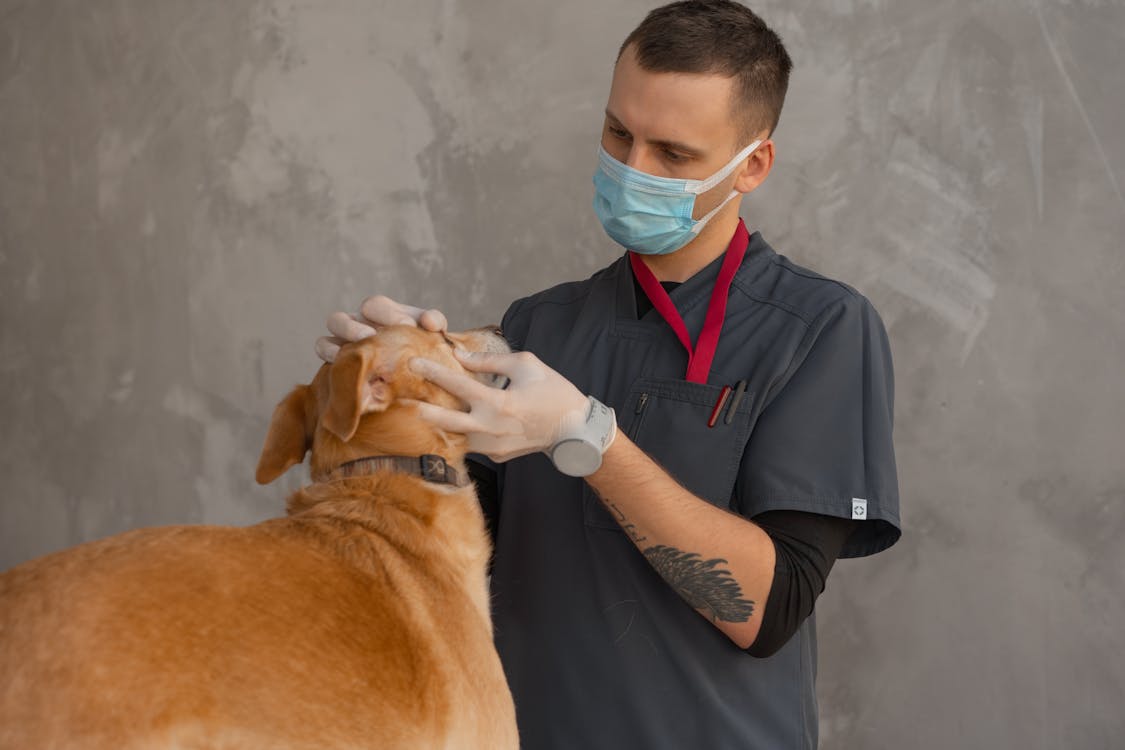
Why Reminder Marketing Pays Off Before Any New Ad
A new client has to find you, compare you with other clinics and decide to trust you with their dog. An existing client has already done all of that. So when a reminder arrives with the pet’s name and a clear date, the only question left is when to book.
There’s a health reason too. A pet that skips its annual exam also misses the chance to catch dental disease, weight gain or a new lump early. So frame reminders as care, not sales.
New Jersey adds its own nudge. Dogs seven months and older need a license every year from the owner’s town, and the state health department’s licensing rules require rabies immunity that covers at least ten months of the license period. So a rabies reminder that mentions the license gives owners a concrete reason to book.
Start With Clean Records, Not a New Tool
Before writing a single message, open your practice management system and check what it knows. Reminder marketing for veterinarians is only as good as the due dates and contact details behind it. Most clinics find three kinds of problems.
- Missing or generic due dates. Whether a rabies booster is due in one year or three depends on the vaccine used and the pet’s history, so pull dates from each record rather than a blanket rule.
- Stale contact details. Landlines, old emails and numbers without text consent all quietly break a campaign.
- Pets who have passed away or moved on. Nothing damages goodwill faster than a vaccine reminder for a dog the family lost last month.
Also group pets by household. A family with two dogs and a cat should get one clear message listing everything due, not three separate texts in a week. If your system can’t do that, a CRM set up around how your clinic works can often take over the messaging side.
Make the Deceased Flag Part of Every Checkout
Train the front desk to mark a pet as deceased the same day, whether the loss happened in your clinic or the family calls with the news. Then confirm the flag stops every automated message, including postcards from an outside vendor. It takes seconds and prevents the most painful mistake a reminder system can make.
Build a Reminder Marketing Sequence Owners Actually Answer
Many veterinarians treat reminder marketing as one postcard a month before the due date. That isn’t a system. Instead, plan a short sequence that escalates gently across channels, because people miss messages. Here’s a practical starting point for a vaccine or annual exam:
- Four weeks before: an email with the pet’s name, what’s due and a direct booking link.
- Two weeks before: a short text for clients who haven’t booked yet.
- Due date: a second text, framed as a friendly heads-up.
- Two to three weeks overdue: a phone call from the front desk.
- Six to eight weeks overdue: a printed postcard, which still stands out on a kitchen counter.
Stop the sequence the moment the client books. Yet plenty of clinics still send “you’re overdue” notes to people booked for next Tuesday. Syncing your booking data matters as much as the copy.
Write Like the Clinic, Not Like a Billboard
Good reminders are short, specific and personal. Use the pet’s name, the exact service and a single next step. For example, a clinic in Morristown might send: “Hi Dana, it’s [Clinic Name]. Biscuit is due for his rabies booster and annual exam on March 14. Book online here, or reply and we’ll call you. Reply STOP to opt out.” It says who’s writing, what’s due and what to do next.
Seasonal messages belong on the calendar too. For instance, a late-winter note can prompt parasite prevention refills before tick season picks up. Add tick-borne disease screening if your doctors recommend it.
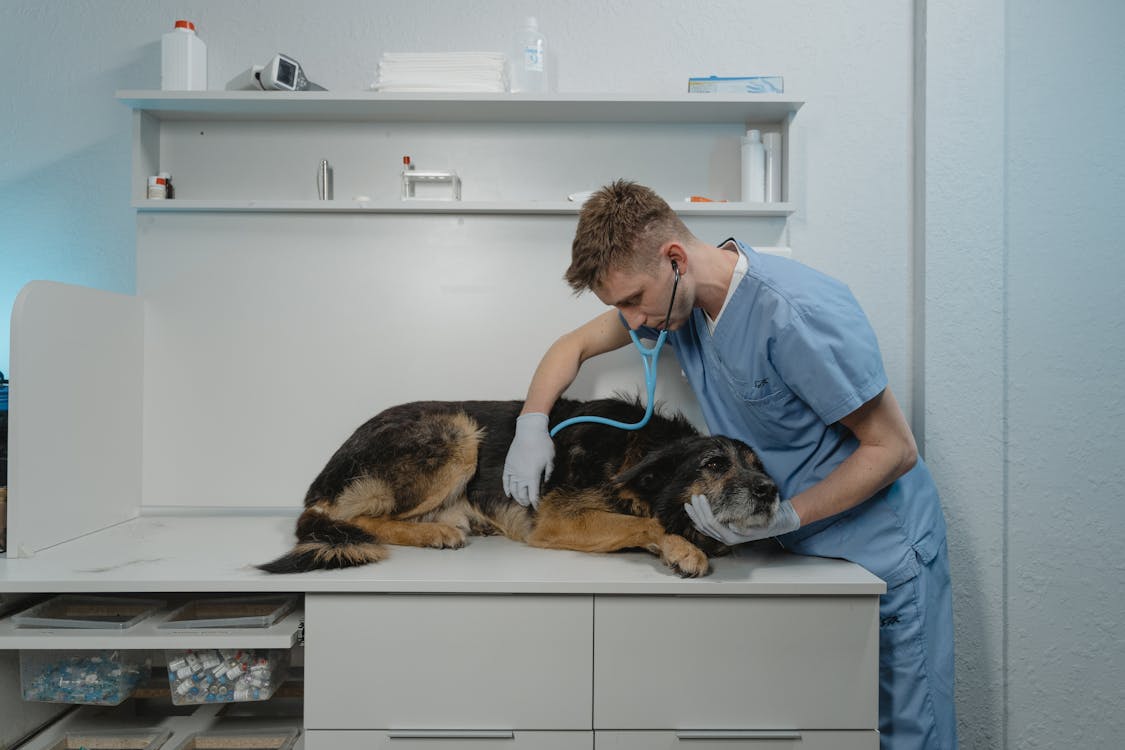
Win Back Lapsed Clients Before Another Clinic Does
Every practice has a quiet list of clients who haven’t visited in 18 months or more. Some moved or switched clinics. But many simply fell off the calendar after a busy year.
First, split the lapsed list into two groups. Clients whose last visit was 18 to 24 months ago still remember you, so a personal check-in from their regular vet is a natural fit. Clients gone longer than two years need a fresh introduction: what’s new, any new doctors and a simple way to book.
Next, keep the tone honest. Skip guilt (“Bella misses you!”) and skip fake deadlines. A plain question, such as whether they’d like their pet’s records updated, is easy to answer. The replies also tell you who moved away. That’s the core of a database reactivation campaign: reaching people who already know you with a message worth answering.
If a win-back includes a discount, treat it like any other ad. The state’s veterinary advertising rule bars misleading claims and sets rules for fee offers. A discount has to show the regular fee it comes off and the dates it runs. Without dates, the board treats the offer as good for 30 days. Also name at least one responsible licensed vet in any ad that names your clinic, and keep dated copies for three years.
Wellness Plans Need Their Own Follow-Up
Wellness plans can be a strong retention tool, since the client has already committed to the visits. Still, a plan only builds loyalty if people use it. When members leave exams unused, they start to wonder what they’re paying for, and that doubt shows up at renewal time.
- Welcome message: list what the plan covers and book the first included visit right away.
- Mid-plan check-in: tell members what they’ve used and what’s still available.
- Pre-renewal notice: send it 30 to 45 days before the plan ends, with the year’s summary and any unused benefits.
- Billing issues: handle failed payments with a friendly personal note rather than an automated threat.

Consent Rules for Veterinarians Who Text and Email
Texts are the workhorse of reminder marketing for veterinarians, but they carry legal weight. Under the FCC’s TCPA rules, automated texts generally need the client’s consent, and promotional ones generally need prior express written consent. A reply like STOP revokes consent, and you have to honor that. The simplest fix is a clear text consent line on your new client form and online booking page. Also, send texts during the day, since the same rules restrict telephone solicitations before 8 a.m. and after 9 p.m.
Email has its own requirements. Under CAN-SPAM, marketing emails need an accurate sender, an honest subject line, your postal address and a working unsubscribe link. The easy habit: include all four in every email, reminders included.
Measure What Reminder Marketing Brings Back
For veterinarians, reminder marketing is easy to measure, since every message ties to one pet and one due date. Track a handful of numbers every month:
- Booking rate: the share of pets who book within 30 days of their due date.
- Lapsed clients reactivated: how many came back from the win-back list.
- Plan usage: the share of included wellness visits actually used.
- Opt-outs: STOP replies and unsubscribes, which tell you if you’re sending too much.
Then compare channels. If texts book far more visits than emails for your clients, shift the sequence toward texts. If postcards still bring back your older clients, keep them.
Frequently Asked Questions
How early should veterinarians send a reminder?
About four weeks ahead is a good starting point for most vaccines and annual exams. That leaves time for a follow-up text and a call.
Can reminder marketing work for groomers and boarding too?
Yes. Grooming runs on a shorter cycle, so rebooking prompts matter even more. Our guide on marketing for groomers, boarding and doggy daycare covers those businesses in more detail.
Put Your Reminder System to Work
You don’t need a bigger ad budget to fill more appointment slots. Instead, you need clean records, a steady sequence and messages that sound like your team. Samaroo Solutions is based in northern New Jersey and works with practices across the state to set up reminder and win-back campaigns that fit how clinics really run. If you’d like a second set of eyes on your current reminders, tell us about your practice and we’ll suggest a starting point.