
A med spa consultation is not a haircut appointment. Someone weighing filler, laser resurfacing or a body contouring package is making a decision about their face, their body and a real amount of money. So they often research for weeks, compare providers and study results before they ever call. That’s why medical spa marketing in NJ has two jobs. It has to earn enough trust to book a high-ticket consult, and it has to follow medical advertising rules that most beauty marketing never faces.
This guide covers both. First come the claims that get practices in trouble and how to handle before-and-after photos. Then we’ll look at ads that get approved and a consult funnel that turns interest into treatment plans.
Why Medical Spa Marketing Starts With the Consult
Salon and day spa marketing usually aims at a quick booking. A med spa works differently, because the first real sale is the consultation. That visit is where a provider assesses the patient, explains options and builds a plan that may run across several sessions.
So strong medical spa marketing in NJ points every ad, post and page toward one action: a consult with a qualified provider. Flash sales on syringes tend to attract bargain hunters who will chase the next deal just as fast. By contrast, a patient who trusts your injector can stay with you for years.
Running a salon or day spa side too? That part needs a different playbook. Our guide to filling a spa and salon appointment book covers the online booking and rebooking reminders that suit quick-turn services.

The New Jersey Advertising Rules That Apply to You
Does a physician or another licensee of the New Jersey Board of Medical Examiners stand behind your practice as owner or medical director? If so, the Board’s advertising and solicitation rule governs what you publish. Review it with your medical director and a healthcare attorney. For aesthetic marketing, these parts matter most:
- No promised results. The rule bans any guarantee of results from a procedure, so “guaranteed smoother skin” has to go.
- No superiority claims. Saying your service or materials beat what the profession normally uses counts as misconduct. Skip lines like “the most advanced laser in Bergen County.”
- Honest discounts. A fee reduction ad must show both the reduced fee and your usual fee. That usual fee must have been in place for at least 90 days. The ad must also state how long the price lasts.
- Testimonials with disclaimers. A patient story about a procedure must reflect what actually happened and carry two statements the rule spells out word for word. If you compensated the patient in any way, the ad must disclose it in the rule’s required wording.
- Records. Keep a copy of every ad, online ones included, for three years after it last runs. Testimonials need their own three-year file, including the patient’s signed, notarized release.
Federal law adds another layer. The FTC says an ad must be truthful, not misleading and, when appropriate, backed by scientific evidence. In practice, claims like “melts fat for good” or “no downtime” need proof you could hand to a regulator. The Board can demand that proof too, and failing to produce it counts as misconduct.
Before-and-After Photos in Medical Spa Marketing
Before-and-after photos are often the most persuasive content a med spa has. They also carry the most risk. Start with consent. The Board’s rule bars licensees from sharing anything that could identify a patient without signed written permission obtained in advance. In addition, if your practice is a HIPAA covered entity, federal privacy rules generally require the patient’s authorization for marketing uses.
Build a photo release into your intake paperwork. It should name every place the image may appear, such as your website, social media and paid ads. Next, make the photos honest:
- Shoot both images with the same lighting, angle, distance and background.
- Skip filters and retouching, and match makeup between shots.
- Label the treatment, the number of sessions and the time since treatment.
- Show typical results, not only your best case.
The rule treats a misleading graphic representation, including a clinical photo, as misconduct. A gallery of dramatic outliers can mislead as surely as an edited image. So add a plain “individual results vary” note, and use the required testimonial statements whenever a photo sits next to a patient’s story.
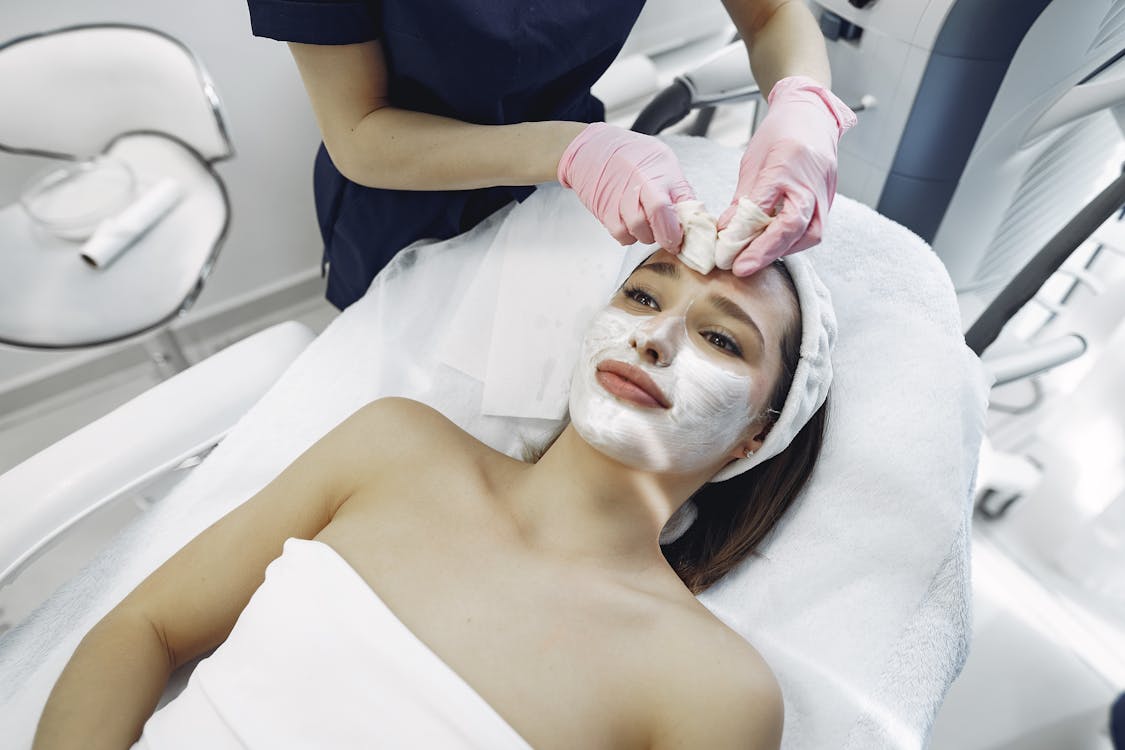
Treatment Ads That Pass Review and Book Consults
Paid search reaches people at the exact moment they look for a treatment. Someone typing “lip filler Montclair” or “laser hair removal Morristown” already knows what they want. Give each treatment its own ad group and its own landing page. Then target only the towns your patients will realistically drive from.
Both major ad platforms police health and appearance ads closely, and their policies change often:
- Google: brand names of prescription injectables, such as Botox, are restricted drug terms. Since a late 2025 update, US advertisers can generally use them in ad text and on landing pages. Bidding on them as keywords, however, still requires Google’s healthcare certification.
- Meta: ads for cosmetic procedures must target people 18 and older. Meta also rejects copy that attacks how someone looks, so “Hate your jowls?” won’t run. Its before-and-after rules have shifted over the years, so check the current version before you shoot creative.
Finally, count booked consults and calls as conversions, not clicks. For a practice selling multi-session plans, cost per booked consult tells you far more than cost per click. If you’d rather hand this off, our digital advertising team can build and manage treatment campaigns for you.
A Consult Funnel Built for a Big Decision
Picture a med spa in Red Bank running ads for laser skin resurfacing. Each ad sends people to a page built for that one treatment, which explains who it suits, what recovery looks like, who performs it and what happens at a consult. Then it offers one clear next step.
From there, a strong funnel has four stages:
- Book fast. Let people pick a consult time online, and call new inquiries back within minutes during business hours.
- Prepare them. Send a confirmation that explains what to expect, along with a short intake form and parking notes.
- Consult well. Give every patient a written treatment plan with the full price, so nothing surprises them later.
- Follow up with care. Plenty of people don’t commit on the spot. A call a few days later, then a few helpful emails about recovery and payment options, answers the questions they didn’t ask in the room.
Keep that follow-up respectful. Countdown timers and “price goes up Friday” pressure hurt trust, and the Board’s rule also prohibits undue pressure on prospective patients. Meanwhile, marketing texts need prior express written consent under the TCPA, and every marketing email needs a working opt-out under CAN-SPAM.
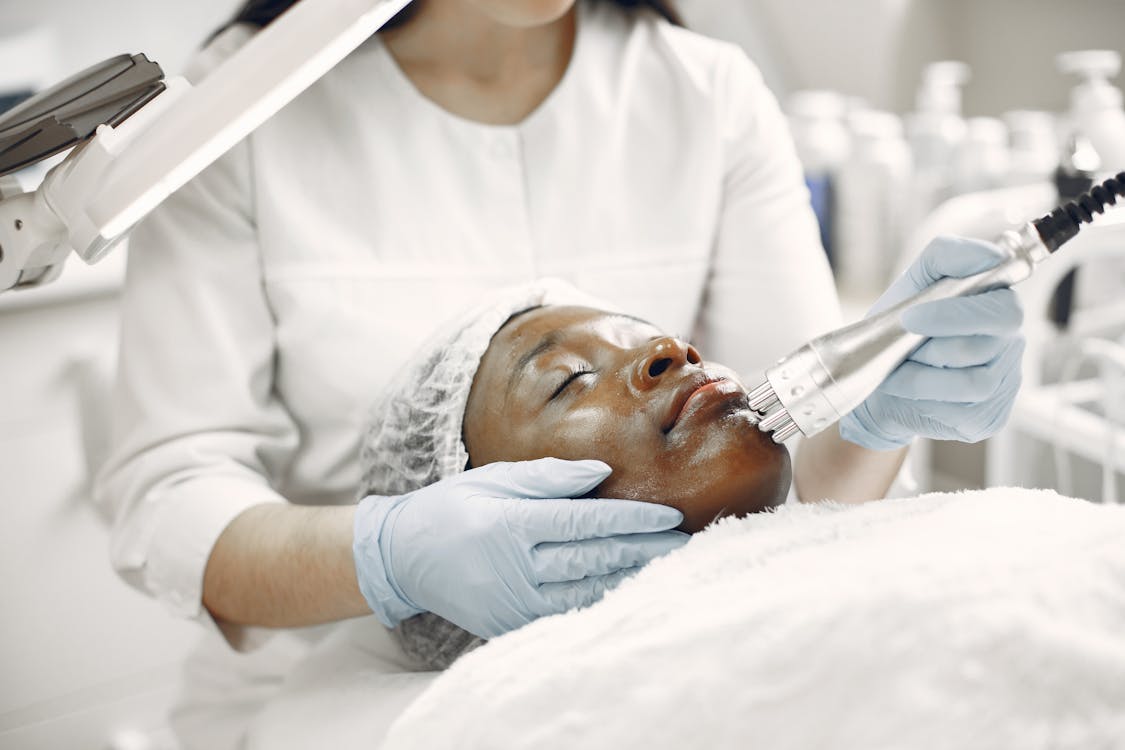
Where Instagram, Reviews and Past Leads Fit
Instagram still matters, but for a med spa its main job is education. Short provider-led videos about how a treatment works calm first-timer nerves. For the portfolio side, see our post on using Instagram to show your work.
Reviews also carry extra weight when people trust you with their face. Ask every patient the same way after treatment, and never offer a gift or discount for a positive review. The FTC’s rule on fake reviews and testimonials lets courts impose civil penalties for knowing violations. When you reply, don’t confirm that the reviewer is a patient or mention their treatment. A steady reputation management process keeps this consistent.
Last, look at the people who consulted but never booked. A respectful check-in, sent only to those who agreed to hear from you, can bring back patients who were simply waiting on timing or budget. That’s the idea behind database reactivation.
Medical Spa Marketing in NJ: Quick Answers
Can a New Jersey medical spa advertise free consultations?
The Board’s rule allows free offers, but with conditions. The ad must list charges for related services the offer doesn’t cover, and you must file a copy with the Board within 30 days. The rule also bars charging for anything done within 72 hours of the free service unless the ad excluded it. Ask your attorney how that affects same-day treatment.
Can I say “Botox” in my Google ads?
In ad text, generally yes, since Google’s late 2025 update. Bidding on “Botox” as a keyword still needs certification, though. Without it, target searches like “wrinkle relaxer” and let the provider discuss products at the consult.
Where to Start
Pick one high-value treatment, such as laser resurfacing or a filler series. Then audit everything around it: the ad copy, the landing page, the photo releases, the booking flow and the follow-up. Fix the compliance gaps first, and only then push more budget into ads.
Samaroo Solutions is based in northern New Jersey and works with practices across the state. If you want a second set of eyes on your medical spa marketing in NJ, tell us what you’re working on and we’ll talk it through.