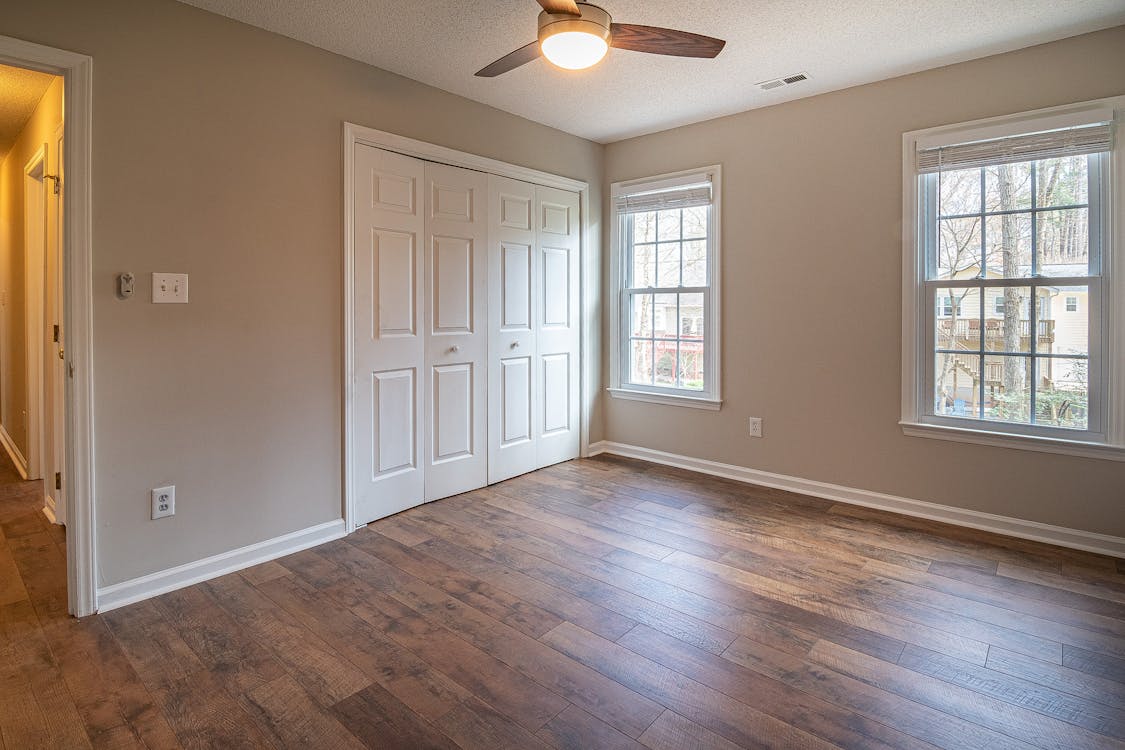
It’s 9:40 on a Sunday night in January, and a homeowner in Parsippany just noticed the house is getting cold. She searches “no heat repair near me” and calls the first company that looks trustworthy. If nobody picks up, she tries the next one. That short window is where most urgent HVAC leads in NJ either become booked jobs or go to a competitor.
This guide covers the three Google channels behind many of those calls (Local Services Ads, search ads and your Business Profile), plus the part shops often neglect: how fast you respond. For planning around busy and slow months, see our piece on keeping HVAC crews busy every season.

Where HVAC Leads Come From, and Why the Type Matters
Not every lead is worth the same, so start by sorting them. Residential HVAC leads in NJ tend to fall into three types:
- Emergency calls. No heat, no cooling, water under the air handler. The customer wants someone today, and speed beats price.
- Replacement projects. A new furnace, heat pump or central air. These buyers compare quotes, read reviews and check your license, so the sale takes longer.
- Maintenance and small repairs. Tune-ups, thermostat trouble, a noisy blower. They pay less on day one, yet often start a long relationship.
Emergency calls deserve extra attention because they so often lead to replacement work. The tech who shows up fast for a no-heat call on a 20-year-old furnace tends to be the one who quotes the new system. As a result, the channels that win urgent calls also feed your replacement pipeline.
Local Services Ads: Paying for HVAC Leads, Not Clicks
Local Services Ads (LSAs) often appear above everything else for searches like “AC repair near me.” Instead of paying for clicks, you pay only for leads related to your business and services, such as a call or message. Businesses in select categories can also show a Google Verified badge.
Getting approved takes paperwork, though. Depending on your category, Google’s screening can include license, insurance and background checks, so have your New Jersey HVACR license and insurance documents ready before you start.
What Moves Your LSA Placement
Budget plays a part, but you can’t simply outbid everyone for the top spot. Google also weighs factors like your distance from the customer, your reviews, your business hours and how quickly you respond. So get the basics right before you raise the budget:
- List only the hours you truly cover. If you advertise 24/7, someone has to answer at 2 a.m.
- Turn off job types you don’t want, such as ductwork if you don’t do it.
- Target zip codes your trucks reach easily. A shop in Hamilton shouldn’t chase calls in Cape May.
- Each week, mark which leads actually booked, so you know what the channel is worth.
Google Search Ads for Emergency and Replacement Jobs
LSAs give you little control over wording, keywords or landing pages. Standard search ads fill that gap, because you choose the searches, write the message and pick the page. Split your campaigns by intent:
- Emergency: “no heat,” “furnace repair near me,” “AC not cooling.” Send these to a short page with your phone number at the top.
- Replacement: “heat pump installation,” “new furnace cost.” Point them to a page that explains options and how quotes work.
- Your company name: a small brand campaign helps you hold the top spot when past customers search your name and a competitor bids on it.
Next, add call assets so people can tap to call you straight from the ad. During a breakdown, a call is usually the whole goal. Schedule them for the hours when someone actually picks up.
Cut the Clicks That Never Book
Add negative keywords such as jobs, salary, school, parts and DIY, so you don’t pay for job hunters or do-it-yourselfers. After launch, check the search terms report weekly and add negatives as junk searches show up. Target only the zip codes or counties you serve. Then, under location options, choose “Presence” so ads reach people who are in or regularly in those areas.
Finally, fix the landing page. Show your phone number, service towns, license number and real photos of your crew. New Jersey requires license or registration numbers in many kinds of contractor advertising, and homeowners look for them. If you’d rather hand off setup and weekly management, that’s the core of our digital advertising service.
Your Business Profile: A Free Source of HVAC Leads
Below the ads sits the map pack, where you can’t pay Google for a better ranking. Google says local results are mainly based on relevance, distance and popularity, so your job is to look clearly relevant and clearly trusted.
- Pick the most accurate primary category, such as HVAC contractor, and add only a few close secondary ones.
- Set service areas to the towns and counties you really cover.
- Use your real business name. Stuffing in keywords like “Best AC Repair Morris County” breaks Google’s guidelines and can lead to a suspension.
- Upload real photos of your techs, vans and finished installs.
- Ask every happy customer for a review, but never offer a discount or gift in return. Google’s policies forbid review incentives, and federal rules ban rewards tied to positive reviews.
Then check the Calls number in your profile’s performance report each month. It counts taps on your call button, which makes the profile’s value easy to see. If your listing needs a full cleanup, our Google Business Profile management covers it.
Emergency Response Decides Which HVAC Leads Book
Everything above makes the phone ring. What happens next decides whether you get the job. For many shops, the biggest leak isn’t the ads at all. Instead, it’s missed calls and slow callbacks, and that’s where plenty of HVAC leads in NJ quietly disappear.
If your line goes to voicemail, that homeowner with no heat calls the next listing, and your ad money just paid for a competitor’s job. Plumbers face the same math, as we explain in our piece on winning emergency plumbing calls.
Build an After-Hours Plan
Decide how you’ll cover nights and weekends before the first cold snap. The usual options:
- A live on-call rotation, with calls forwarding to the tech on duty.
- An answering service that follows your script, books a time and pages the on-call tech.
- An honest voicemail with a firm callback time, if you truly don’t offer emergency service.
Whichever you choose, match your ads and listed hours to it. Otherwise, you’re paying for calls you can’t take.
Respond Fast to Form and Message Leads
Speed matters for web forms and LSA messages too. Set a target, such as a callback within 10 minutes during business hours, and track it weekly. A quick missed-call text can also stop some customers from dialing the next company. Keep marketing texts separate, though. Under federal TCPA rules, marketing texts generally need the customer’s prior express written consent.
Measure Cost per Booked Job, Not Cost per Lead
A cheap lead that never books is expensive. So track every call and form back to its channel, then through to a booked job and a paid invoice. Call tracking numbers on your website and ads make this possible, while your main number stays consistent on your Business Profile and listings.
Once a month, compare channels side by side. For instance, a Toms River shop might find that LSAs bring steady repair calls while search ads bring fewer, larger replacement jobs. Only the booked-job numbers tell you where the next dollar should go. For the wider system, from reviews to follow-up, see our guide to building a complete lead system for home services contractors.
Common Questions About HVAC Leads
Are Local Services Ads worth it for a small HVAC company?
Often, yes. You pay per lead rather than per click, and the customer contacts you directly. That said, LSAs work best when you answer live and already have solid reviews. Start with a modest weekly budget and judge them on booked jobs.
Should you buy shared HVAC leads from marketplaces?
Be careful. Some marketplaces send the same HVAC leads to several NJ contractors, so you end up racing the others to the phone. Leads from your own ads and profile have one clear advantage: the customer picked you.
How fast should you call back a new lead?
Within minutes for anything urgent. For planned replacements, aim for the same business day.
Turn More Calls Into Booked Jobs
More HVAC leads in NJ won’t fix a phone nobody answers. Likewise, a great answering process can’t help if nobody finds you. You need both halves: visibility in LSAs, search ads and the map pack, plus a response plan that fills the schedule.
Samaroo Solutions works out of northern New Jersey and helps contractors across the state, from Bergen County down to the Shore. If you’d like a second opinion on your setup, talk with our team about where your calls come from today.