
Referrals still bring in a lot of construction work across New Jersey. Even so, plenty of referred clients look you up before they call, and people without a referral start on Google. For an NJ construction company, SEO decides whether you show up in those searches for the projects you want, or only when someone already knows your name.
This guide covers construction SEO in NJ from the organic side: the free listings and map results you earn instead of buying. It focuses on four levers for builders and trades: project pages, service-area content, reviews and local links. For the rest of the marketing picture, see our posts on winning residential and home improvement work and marketing for commercial and general contractors.

What Makes Construction SEO Different
Construction searches are low in volume and high in value. Only a handful of people might type “home addition contractor Summit” in a given month. Still, one signed contract from that search can keep a crew busy for weeks. So construction SEO in NJ isn’t a traffic game. Instead, you want to rank for the specific jobs and towns that fit your business.
Google’s own tips on local ranking say its local results depend mainly on relevance, distance and popularity, and that nobody can pay for a better spot. Relevance comes from a Business Profile that describes your work clearly and completely. You can’t do much about distance. Popularity, however, grows with your reviews and with links from other websites.
Start with a short list. Write down the five to ten project types you want more of, such as decks, finished basements, roof replacements or commercial fit-outs. Then search each one alongside your core towns and study page one. Results vary with the searcher’s location, so check from those towns too. If the results look thin or generic, you have found an opening.
Project Pages: The Core of Construction SEO
Every finished job is proof of your work, yet many contractors waste it. The photos sit on a phone or in a gallery with no words around them. Google leans on text, including captions and alt text, to understand a page, so unlabeled photos tell it little. A written project page, by contrast, uses the same words homeowners and property managers type into the search bar.
What to Put on Each Project Page
- A plain title that names the job and the town, such as “Second-Story Addition in Westfield.”
- The client’s problem and the scope you delivered, in two or three short paragraphs.
- Key materials, rough size and timeline, if the client is comfortable sharing them. Leave out the street address.
- Six to twelve photos with descriptive file names and alt text, including progress shots.
- Permit or zoning notes where they matter, since zoning and approvals vary from town to town.
- A short client quote, used with written permission, plus a link to the matching service page.
Picture a remodeler in Bergen County who publishes one detailed project page each month. After a year, that company has twelve pages that match searches like “basement finishing Ridgewood” or “kitchen remodel Paramus.” That kind of steady, original work is hard to beat, because no competitor can copy your actual jobs.
Keep Every Page Genuinely Different
Resist the urge to clone one page and swap the town name. Near-duplicate pages rarely rank, and Google’s spam policies warn against city pages that exist only to funnel visitors somewhere else. Mass-produced AI pages with nothing new to say carry a similar risk. Instead, give each project page its own photos, problems and details. If a job had nothing interesting about it, leave it in the gallery.
Service-Area Pages That Earn Their Place
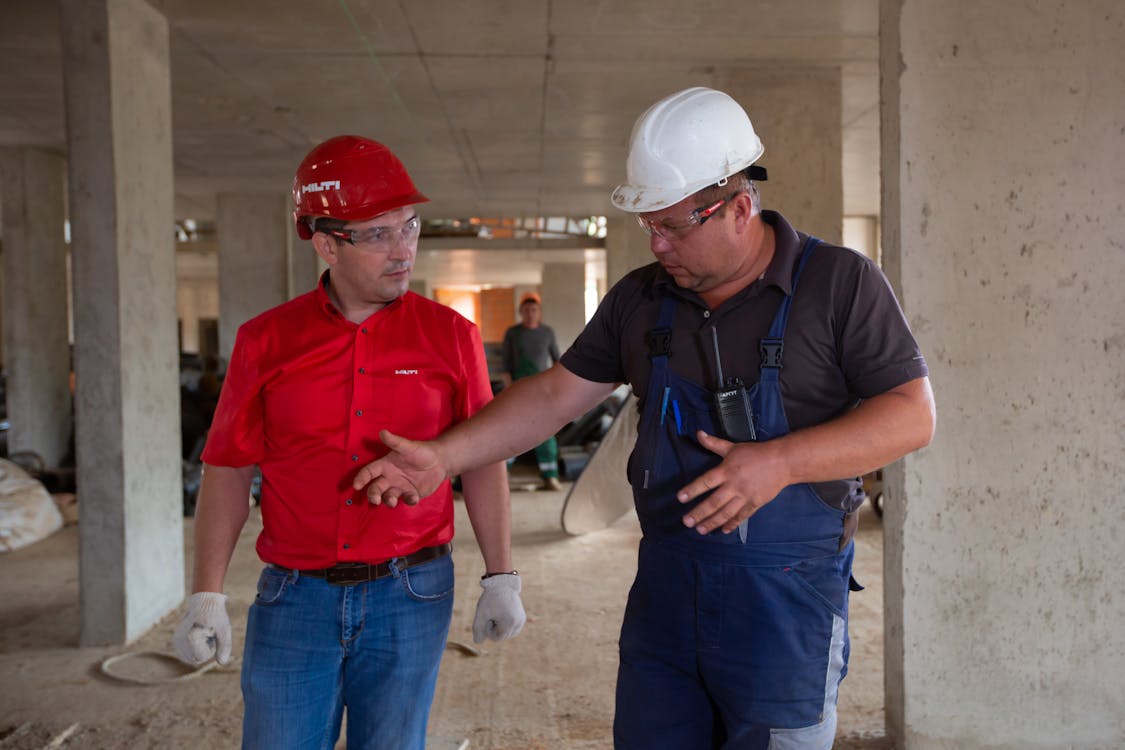
Most contractors cover a territory, not a single town. A builder in Morris County, for example, might also take jobs in Sussex, Somerset and Essex. Service-area pages help you rank in those places, but only when each page says something useful about working there.
A strong county or town page lists the project types you handle there and links to finished jobs nearby. It can also cover local realities. Think flood-zone rules for shore homes in Monmouth and Ocean counties, older housing stock in towns like Montclair and Maplewood, or HOA approvals in newer developments. Keep the list short, too. Five solid pages for the areas you really want will serve you better than forty thin ones.
Your Google Business Profile needs the same focus. If clients never visit your shop or home office, set it up as a service-area business and hide the address. Google lets you list up to 20 service areas by city, ZIP code or region. Also pick a primary category that matches your main work, and never add keywords to your business name. Our Google Business Profile service can handle setup and upkeep.
Reviews That Help You Rank and Win Bids
Reviews do double duty for a contractor. Google notes that more reviews and positive ratings can help local ranking, and prospects read them closely before they invite anyone to bid. The wording matters, too. A review that mentions “the addition in Cranford” or “our new roof in Toms River” shows readers what you do and where, and it gives Google the same context.
Build the ask into your closeout. When you walk the finished job and hand over warranties, ask the client in person. Then email a direct review link that same day, or text it if they’ve agreed to texts from you. Ask every client, not only the happy ones, and ask for an honest review rather than five stars. Finally, reply to every review, including the rough ones, with a calm and specific answer.
Never buy reviews, offer discounts or gifts in exchange for them, or post reviews under fake names. The FTC’s Consumer Reviews and Testimonials Rule took effect in October 2024, and it lets courts impose civil penalties for knowing violations. Our reputation management team can help you set up a compliant request process.
Local Links Worth Earning
Links from other websites still work a bit like votes, and the best ones for a contractor are local and relevant. One link from a respected supplier or trade group usually does more than dozens of random directory listings. You probably already have relationships that can turn into links.
- Manufacturers and suppliers. Many brands list certified installers on their sites. If you’re certified, make sure the listing links to you.
- Trade associations. Builder, remodeler and specialty trade groups often link to members from their directories.
- Local sponsorships. Youth sports leagues, school fundraisers and town events often thank sponsors with a link.
- Partners. Architects, designers, engineers and realtors may feature you on a preferred vendor page.
Also keep your business name, address and phone number identical everywhere, from Houzz, Yelp and Bing Places to your chamber of commerce listing. Google pulls business details from many sources, so mismatched information creates doubt. Finally, skip bulk link packages. They rarely help, and they can hurt.
Track Calls and Contracts, Not Just Rankings
Rankings feel good, but calls and signed contracts pay the bills. Google Search Console shows which searches surface your pages and how often people click. Filter its Performance report by page to see which project and town pages are gaining ground. If a page appears often but rarely earns a click, rewrite its title to name the job and town more clearly.
Next, check the performance view in your Business Profile. It shows the search terms people used to find you, plus calls and website clicks. Then ask every new lead how they found you and log the answer in your CRM with the job type and town. After a few months, that log shows which pages bring real work.
Questions Contractors Ask About Construction SEO
How long does construction SEO take in NJ?
It depends on your competition, your site’s history and how often you publish. New project pages often show up for long, specific searches first, while broader terms take several months or more. Treat it as an asset that builds over time, not a one-season campaign. Anyone who promises page one by a certain date is guessing.
Do I need a storefront to show up on Google Maps?
No. Contractors who travel to clients can run a service-area profile with the address hidden. You still need a real business address for verification, though, and a PO box won’t qualify.
Where to Start This Month
Pick your top three project types and your top five towns. Turn your last three finished jobs into full project pages, tighten your Business Profile and start asking for reviews at every closeout.
Samaroo Solutions is a northern New Jersey team that works with contractors and other businesses across the state. Our SEO services cover project pages, service-area content and local link building. If you want a practical plan for construction SEO in NJ that fits your crew and your territory, reach out and tell us about your work.