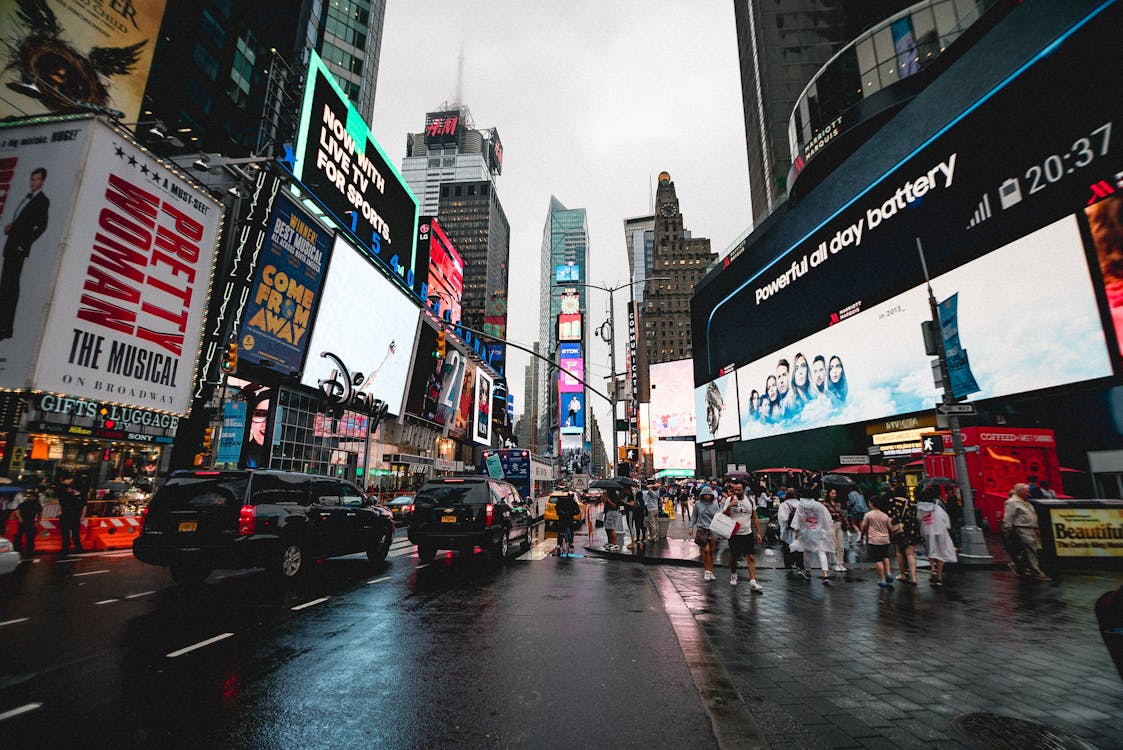
Many guests pick a restaurant before they ever see your dining room. They search from a parking lot in Hoboken, flip through photos, skim a few reviews, and tap “reserve” or “order” within a minute or two. That short window is where digital marketing for NJ restaurants earns its keep. It’s also where good kitchens lose tables to places with weaker food and a sharper online presence.
The fix isn’t doing everything at once. Instead, it’s knowing what each channel is for and how it feeds reservations, orders and loyalty.
How Digital Marketing for Restaurants Fits Together
Think of your marketing as a path with three exits: a reservation, an order or a repeat visit. Every channel should push people toward at least one of them. If a channel doesn’t, it’s probably a hobby rather than marketing.
Here’s how digital marketing for NJ restaurants usually splits the work:
| Channel | Main job | What it feeds |
|---|---|---|
| Google Business Profile | Get found in “near me” and cuisine searches | Reservations, orders, walk-ins |
| Reviews | Win the comparison with nearby options | First visits |
| Website | Answer questions and hand off to booking or ordering | Reservations, direct orders |
| Social media | Make people hungry and keep you top of mind | First visits, regulars |
| Email and text | Bring past guests back, especially on slow nights | Loyalty, direct orders |
Notice that social media isn’t at the top. Many owners pour hours into Instagram while their Google hours are wrong and their menu link is broken. In short, fix the foundation first and build the audience second. Running a cafe, bakery or food truck instead? Our marketing guide for cafes, bakeries and food trucks covers your version.
Your Google Business Profile Is the Front Door
When someone in Morristown searches “Thai food near me,” Google usually shows a map of nearby places above the regular results. Google’s own tips for improving your local ranking say those results depend mainly on relevance, distance and popularity. You can’t pay for a better ranking there. However, Google also says complete, accurate profiles are more likely to show up, and that part is fully in your control.
For a restaurant, a strong profile covers five things:
- Menu and hours. Keep the menu current and set special hours for holidays, private events and snow days.
- Booking and ordering links. Point them to your own reservation page and your direct ordering page, not only to a delivery app.
- Photos. Post fresh, well-lit shots of real dishes, the dining room and the patio, and retire dated ones.
- Categories and attributes. Pick the most specific primary category (“Italian restaurant,” not just “restaurant”) and mark features like outdoor seating.
- Posts. Share weekly specials, events and seasonal menus, so searchers get a reason to choose you tonight.
Picture a ramen shop in Jersey City that trims its winter hours but forgets to update Google. A couple drives over at 9:30, finds the lights off, and leaves a one-star review from the sidewalk. If you’d rather hand this upkeep off, our Google Business Profile management service keeps profiles accurate week after week.
Reviews Decide the Close Calls
Once a hungry guest has three options on the map, reviews usually break the tie. Google also notes that more reviews and positive ratings can help local ranking. As a result, fresh reviews do double duty: they win the comparison and help you show up at all.
The simplest system is a steady, low-pressure ask. Put a QR code on the check presenter or receipt, and add your review link to takeout confirmations and follow-up emails. That way, guests can post later on their own time. Also, ask everyone, not just the tables that seemed happy.
The rules are stricter than many owners realize. Google’s content policy for Maps reviews bans incentives for any review, so even a free dessert for an honest one crosses the line. It also rules out pressuring guests to review while they’re still in the restaurant. Staff review quotas and asking guests to name their server are out too. On top of that, the FTC’s rule on consumer reviews and testimonials has banned fake reviews since October 2024.
Replies matter too, because future guests read them. For a bad review, thank the person, address the specific problem, skip the excuses and invite them to call a manager. A calm, specific reply shows every reader how you handle a bad night. A defensive one, on the other hand, can follow you for years.
Social Media Should Point Somewhere
Food is visual, so restaurants start with an advantage on Instagram, Facebook and TikTok. Still, likes don’t pay rent. Social works best when each post points to a next step: a reservation link, an ordering page or an upcoming event.
Short vertical video often reaches the most people who don’t follow you yet. A cook stretching fresh mozzarella or a bartender building a seasonal cocktail beats a stock-looking flat lay. Each week, aim for one dish, one behind-the-scenes moment and one reason to come in. Facebook still matters for events, community groups and older regulars.
If you hold a liquor license, be careful with drink posts. New Jersey’s advertising rules for alcohol licensees bar ads that portray minors or suggest drinking has therapeutic effects. A “shots that cure your Monday” promo deserves a second look, and drink discounts can raise separate ABC questions, so check before you advertise them.
Your Website Has One Job
Every channel above eventually sends people to your website, and its job is to make booking or ordering effortless on a phone. Put the menu on a real web page (not only a PDF), with hours, parking notes and a clear reservation button near the top. If guests must pinch and zoom through a scanned menu, some will go back to the map. So test it yourself: on your phone, over cellular data, try to book a table for four.
Online ordering deserves its own plan. Delivery apps introduce you to new customers, but they keep the relationship and take a cut of each ticket. So let the apps handle discovery while you steer repeat customers to your own ordering page. We cover setup, promotion and margins in our guide to growing direct online orders and filling more tables. Selling jarred sauce or baked goods to take home? Our guide to driving foot traffic and online sales for retail stores covers that side.
Email and Text Bring Regulars Back
Email is the quiet workhorse here, because regulars are your most valuable guests. Your own reservation page, direct orders and loyalty sign-ups can all collect contact details, so put them to work. One catch: lists from booking or delivery platforms may carry their own marketing rules, so check first. A monthly email with the seasonal menu, an upcoming wine dinner and a small thank-you offer gives people a reason to come back on a Tuesday.
Texts work well for time-sensitive news, like a soft-shell crab special or a last-minute opening on a packed Saturday. However, they carry stricter rules. Federal rules generally require a guest’s prior express written consent before you send marketing texts. Every message should explain how to opt out. Also, send only between 8 a.m. and 9 p.m. in the guest’s time zone. Email falls under CAN-SPAM, which requires a real postal address and a working unsubscribe that you honor within 10 business days. Most reputable platforms build these steps in, but the responsibility stays with you.
How to Measure Digital Marketing for NJ Restaurants
You don’t need a data team. Instead, check a handful of numbers on the same day each week:
- Profile activity. Your Business Profile shows calls, direction requests and website clicks. Watch the trend.
- Reservation sources. Many booking systems show where each reservation came from, so compare Google, your website and social.
- Tagged links. Add UTM tags to your Google profile’s website link and to links in your Instagram bio, emails and texts. Then your analytics can tell them apart.
- Direct versus app orders. Track the share of orders placed on your own page each month. Ideally, it climbs.
- The host stand. A simple “How did you hear about us?” still catches what software misses.
After a couple of months, patterns appear. For example, you might find that Instagram rarely drives bookings while email fills your slow Wednesdays. Then spend your limited hours where the tables actually come from.
Where to Start With Digital Marketing for NJ Restaurants
First, get your Google profile right, since it’s free and shows up at the exact moment people choose where to eat. Next, build a steady review habit, make the website easy on a phone and start a simple email list. Then add social content and texts once the basics run on their own.
Samaroo Solutions is based in northern New Jersey and works with businesses across the state. If you’d like a second set of eyes on your channel mix, tell us about your restaurant and we’ll suggest where to start.